
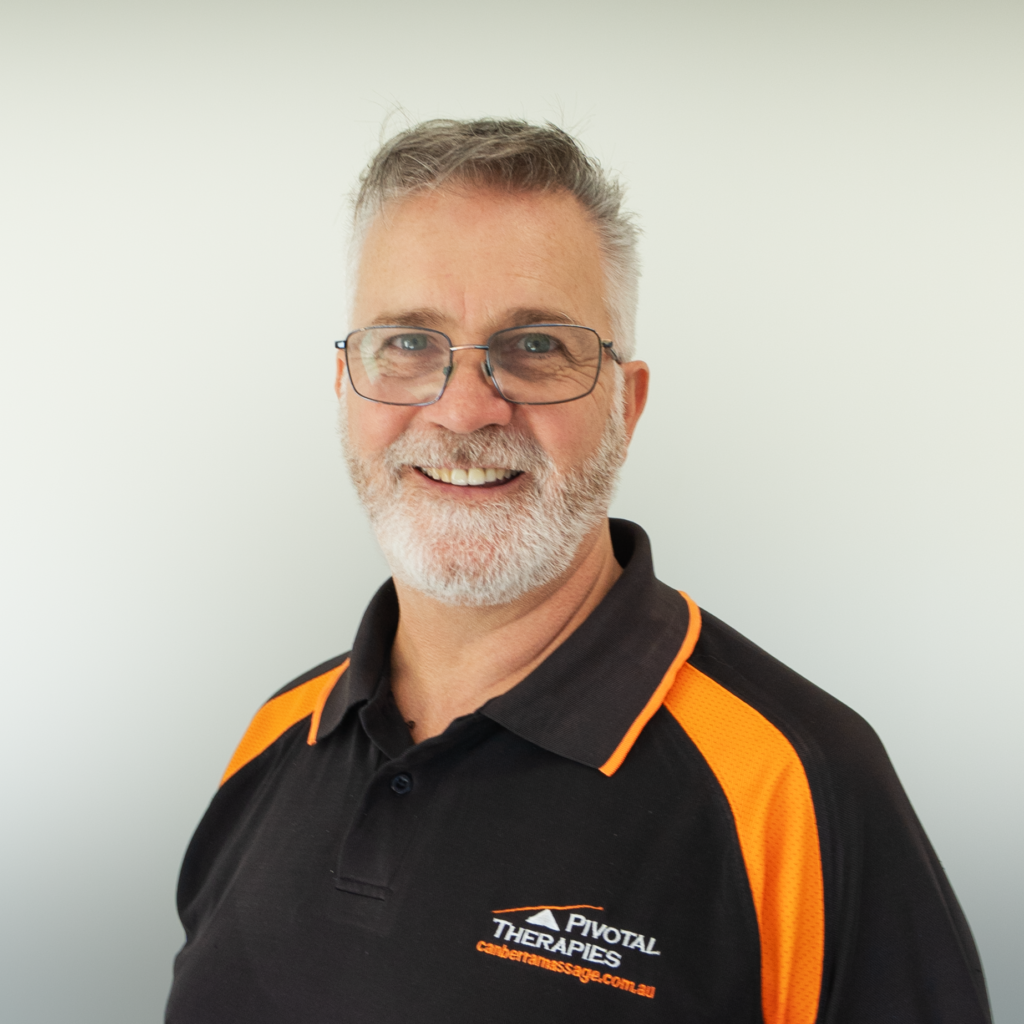
Advanced Massage and Recovery

Precision Treatment
for Pain & Movement

From desk-related tension to sporting performance, I help office workers and athletes move better and feel better. Backed by 34+ years of hands on experience

30+ Years Experience
Evidence-Based Treatment
Personalised Care

About Us

With over 34 years’ experience as a Remedial Massage Therapist, I work with a wide range of musculoskeletal conditions — from everyday work-related aches to sporting injuries.
Much of my career has been spent treating staff, Students and Public at The Australian National University, so I have extensive experience supporting people who spend long hours at a desk or computer.

“Proud to practice with the Fortis physiotherapy team”

Common Work & Posture-Related Conditions :
I regularly help clients experiencing:

  • Shoulder and arm tension from mouse and keyboard use.
  • Upper back tension and tight shoulders tension.
  • Jaw and neck tension associated with stress.

About Us

I began my career at the Australian Institute of Sport, where I trained as a Track and Field athlete for four years. Alongside my athletic development, I completed studies in Health, Sport and Recreation and gained practical experience working within the fitness industry.

I later returned to Melbourne to complete formal training in massage therapy, graduating in 1991. Since then, I have developed over 34 years of experience as a Remedial Massage Therapist, working with a broad range of musculoskeletal conditions—from everyday work-related tension to more complex sporting injuries.

I am also a Track and Field Level 3 Development Jumps Coach and have officiated as a Technical Officer in the jumps at the 2018 Commonwealth Games.

A significant part of my career has been dedicated to treating the public, as well as staff and students at The Australian National University. This experience has allowed me to support people from diverse backgrounds, helping them manage pain, improve mobility, and maintain long-term physical wellbeing.

“Proud to practice with the Fortis Physiotherapy team.”

What We Treat

Massage Services

We predominantly use hands-on techniques to achieve your goals. These techniques include:
  • Massage Techniques and variations
  • Joint and Fascial Mobilisation
  • Dry Needling
  • Cupping
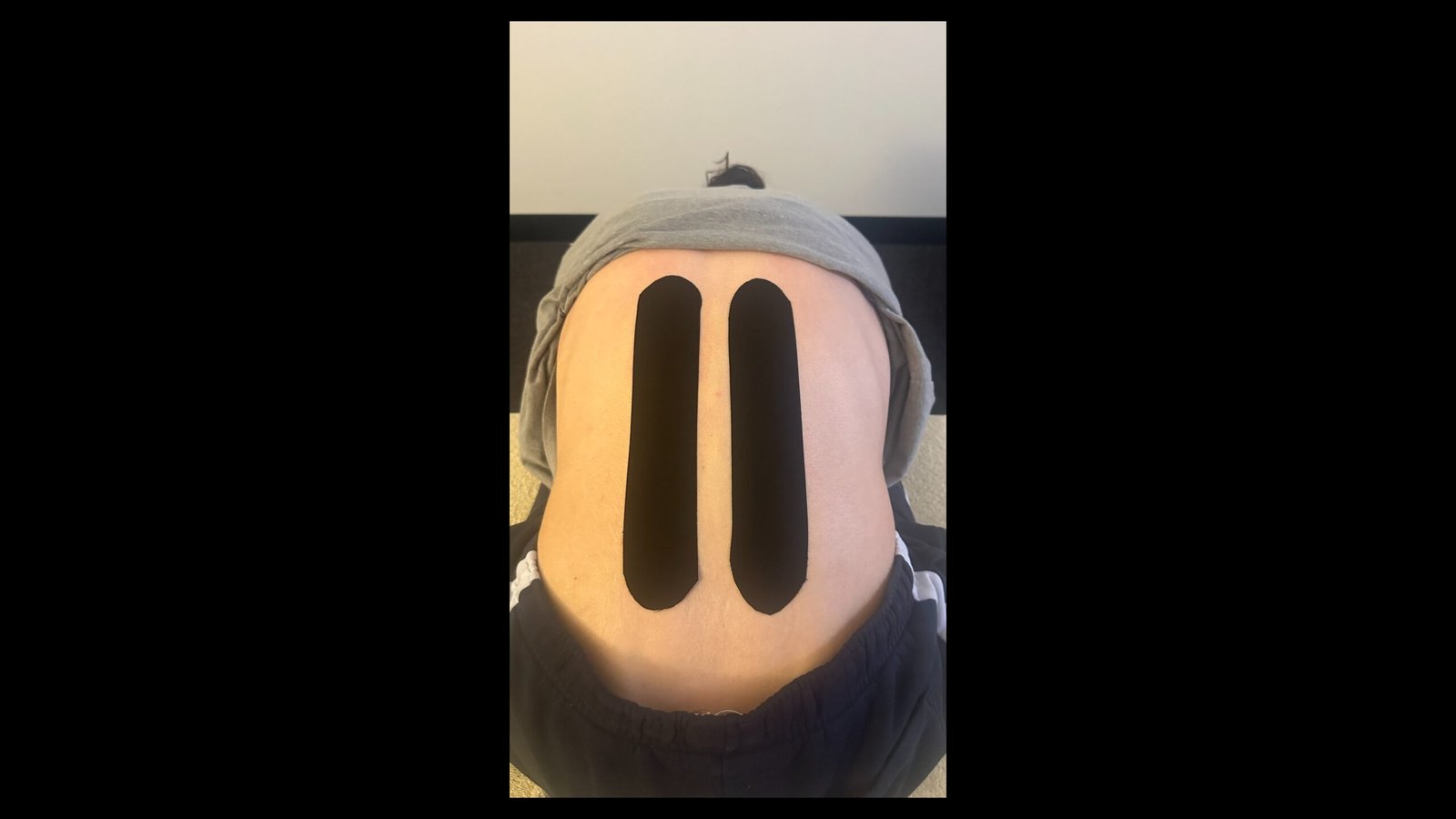
  • Taping
  • Numerous Stretching Techniques
  • Muscle Energy Technique
  • Proprioceptive Neuromuscular Facilitation (PNF)
  • Home-based Exercise and Self Massage
Massage Therapy uses hands-on treatment techniques to help reduce pain, improve movement, and support recovery from muscle and soft tissue injuries. It focuses not just on symptoms, but also on the underlying causes that may be restricting how your body moves and functions. This type of treatment can help with issues related to everyday strain, posture, work or desk-related tension, sport and exercise, stress, poor ergonomics, muscle imbalance, or both sudden and long-term overuse injuries. These problems often show up as general aches and pains, headaches, neck or back discomfort, joint stiffness, reduced flexibility, or nerve-related symptoms.
Musculoskeletal Pain
Musculoskeletal pain and dysfunction involve skeletal muscle, one of three muscle types, supporting posture, movement, stability, and overall body function.
Trigger Points
A trigger point, often called a "muscle knot," is a hyper-irritable, tight band of skeletal muscle fiber that causes localized tenderness and often refers pain to other areas of the body. These knots develop from overuse, injuries, or chronic stress, leading to sustained contraction, decreased blood flow, and pain.
Health Problems
Massage therapy can support health in several practical, evidence-informed ways. It's not a cure for medical conditions, but it can play a helpful role in managing symptoms, improving function, and supporting recovery.
Side Effects?
Massage therapy is generally very safe, but like any hands-on treatment it can have some mild and temporary side effects for certain people. It is not unusual for patients to experience soreness after initial treatments, even feeling washed out.
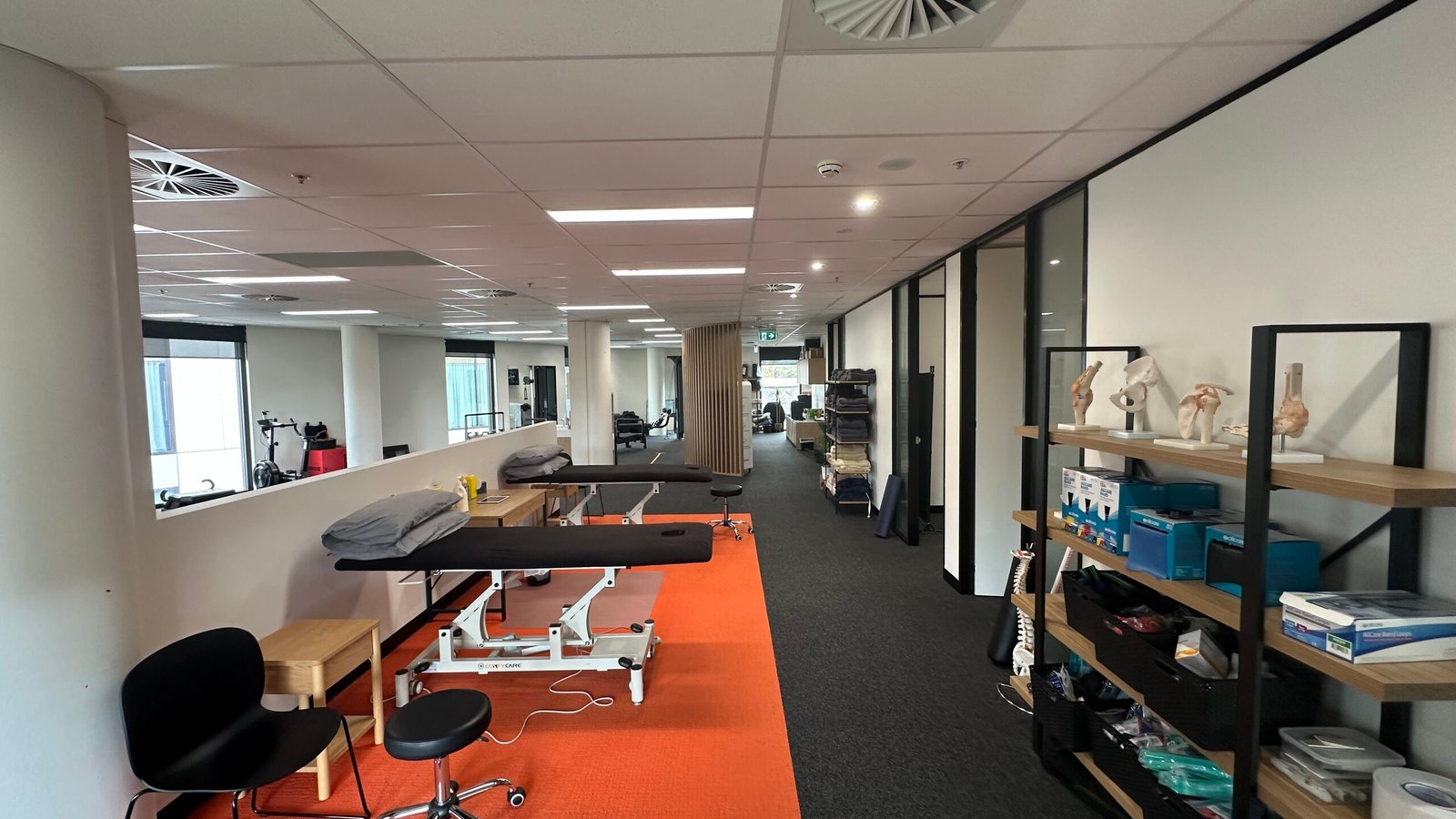
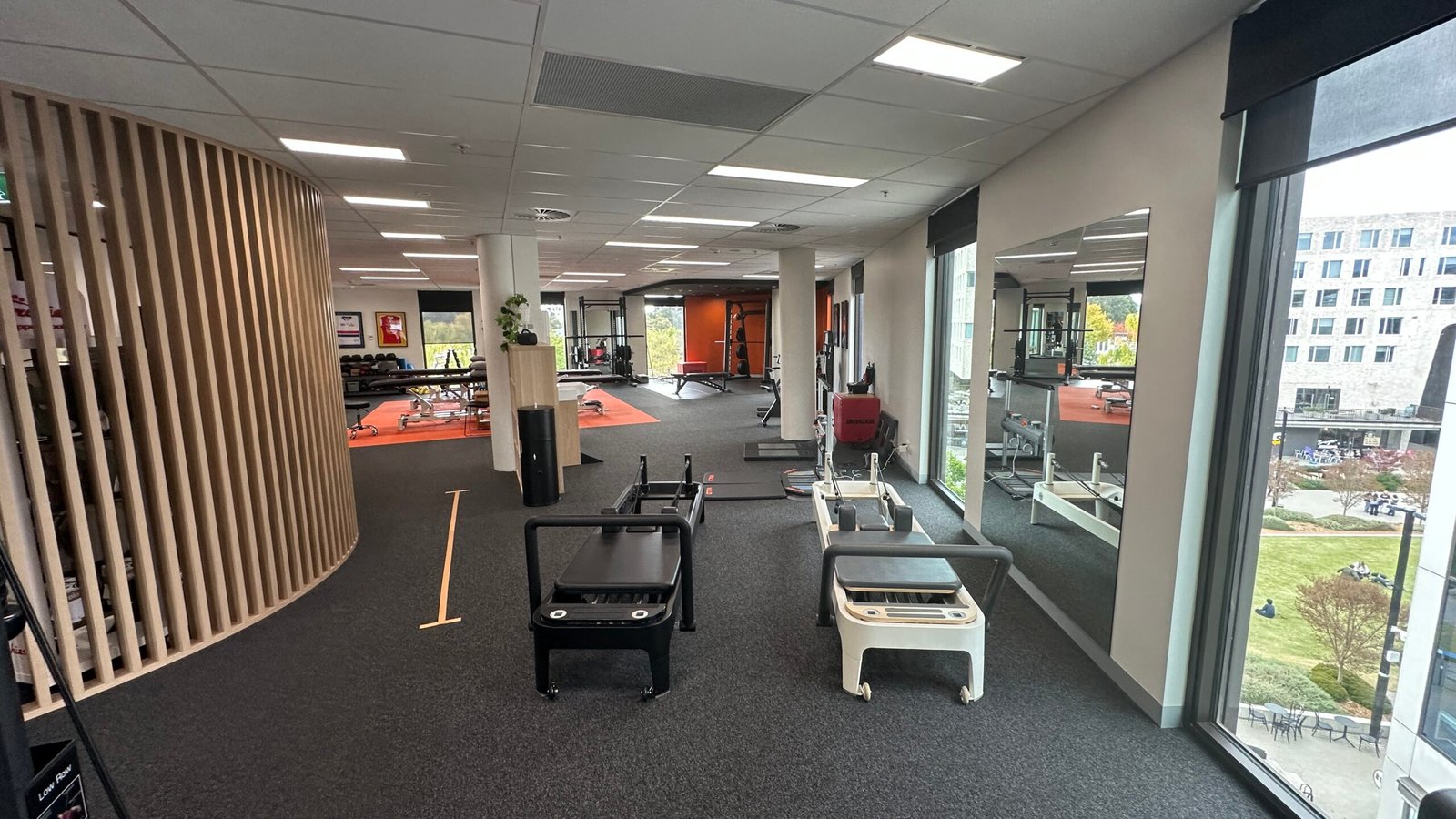
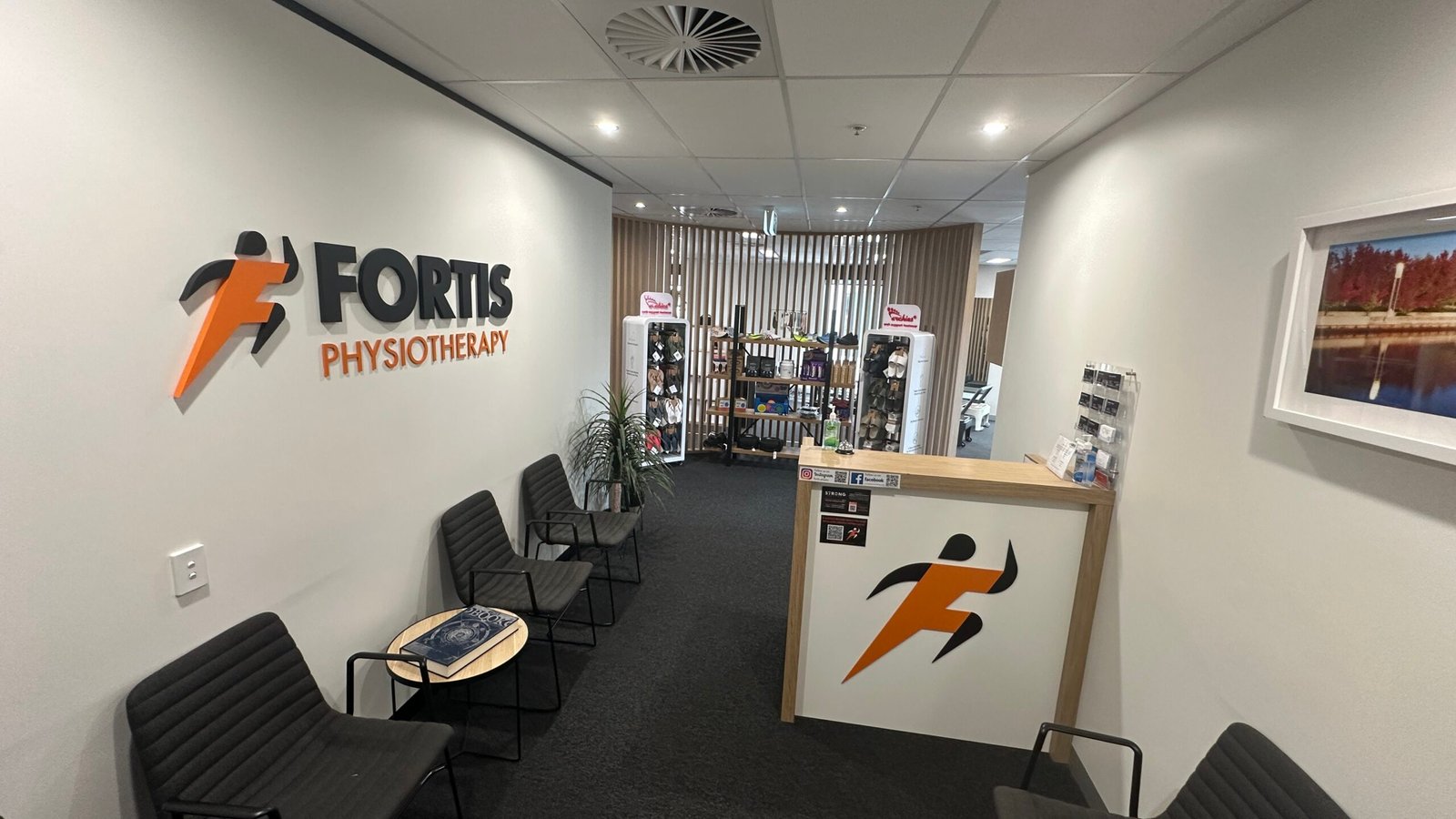
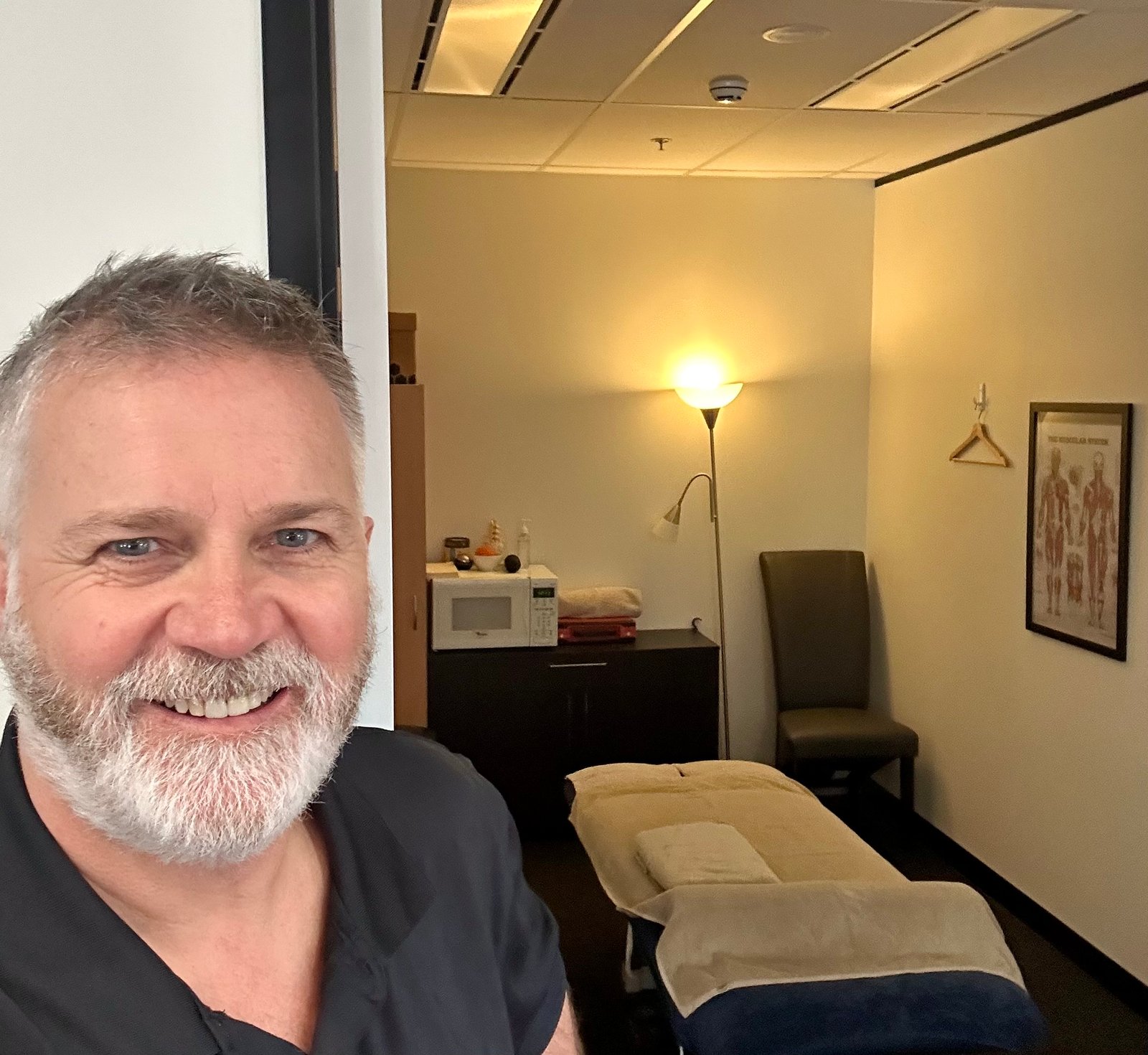
The Space

A Clinical Environment
Designed for Recovery

The Process

Treatment Approach

1
Step 1

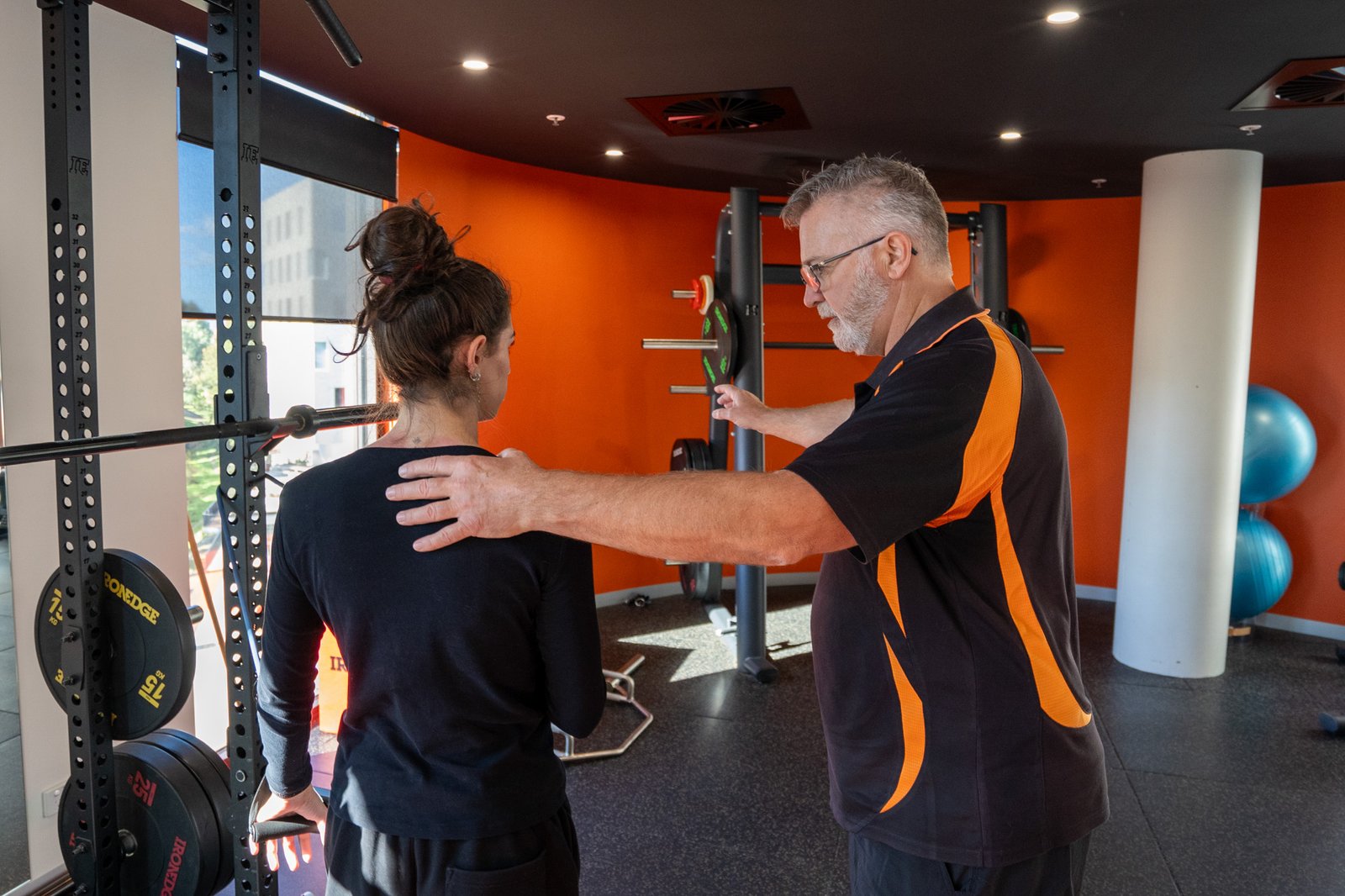
What to Expect in Your Assessment

Every massage appointment begins with a brief assessment to understand your current condition and ensure your treatment is safe, effective, and tailored to your needs.

The process usually starts with a short discussion about your main concerns, including any pain, tightness, or movement restrictions you may be experiencing. You may also be asked about your general health, lifestyle, work demands, exercise habits, and any previous injuries or treatments.

This information helps identify possible contributing factors such as posture, muscle imbalance, overuse, or stress-related tension.

Following this discussion, a physical assessment may be carried out if appropriate. This can include observing posture, testing range of movement, and gently palpating (feeling) muscles to identify areas of tightness, sensitivity, or dysfunction.

Based on this assessment, a treatment plan is developed to address your specific needs. This may focus on relieving pain, improving mobility, reducing muscle tension, and supporting recovery or performance goals.

Your comfort is always a priority, and the assessment and treatment will be adjusted according to your preferences and tolerance.

2
Step 2

Treatment Approach

Treatment involves targeted manual therapy techniques designed to address areas of pain, tightness, and dysfunction within the muscles and soft tissues.

Using a combination of hands-on methods, treatment is focused on releasing tension, improving circulation, and restoring normal movement patterns.

Rehabilitation principles are also integrated where appropriate, supporting recovery and helping to address the underlying causes of your condition.

Each treatment is tailored to the individual, with the goal of improving mobility, reducing discomfort, and supporting long-term physical wellbeing and performance.

3
Step 3

Recovery

Recovery is supported through a progressive, individualised plan designed to achieve lasting results and reduce the risk of recurrence.

Following your treatment, the focus shifts to maintaining improvements in pain, mobility, and function over time. This may include advice on movement, posture, activity modification, and simple strategies to help reduce ongoing strain in daily life, work, or sport.

Where appropriate, rehabilitation principles are incorporated to gradually restore strength, flexibility, and balanced movement patterns.

The aim is not only short-term relief, but also long-term improvement — helping you move better, recover more effectively, and prevent future issues from developing.

4
Step 4

Regain Range of Motion

Restoring normal movement is an important part of recovery, especially when pain, stiffness, or injury has limited how freely your body moves.

  • Identifying restrictionsAn assessment helps determine which muscles, joints, or movement patterns are limiting your range of motion.
  • Reducing muscle tightnessTargeted hands-on treatment is used to release tight or overactive muscles that may be restricting movement.
  • Improving tissue flexibilityTechniques are applied to help lengthen and restore normal function in muscles and surrounding soft tissue.
  • Re-establishing movement patternsGentle movement work may be introduced to retrain smoother, more efficient movement.
  • Supporting active recoveryYou may be given simple exercises or strategies to maintain and build on improvements between treatments.

The goal is to restore comfortable, functional movement so you can return to daily activities, work, or sport with greater ease and confidence.

5
Step 5

Develop Strength & Endurance

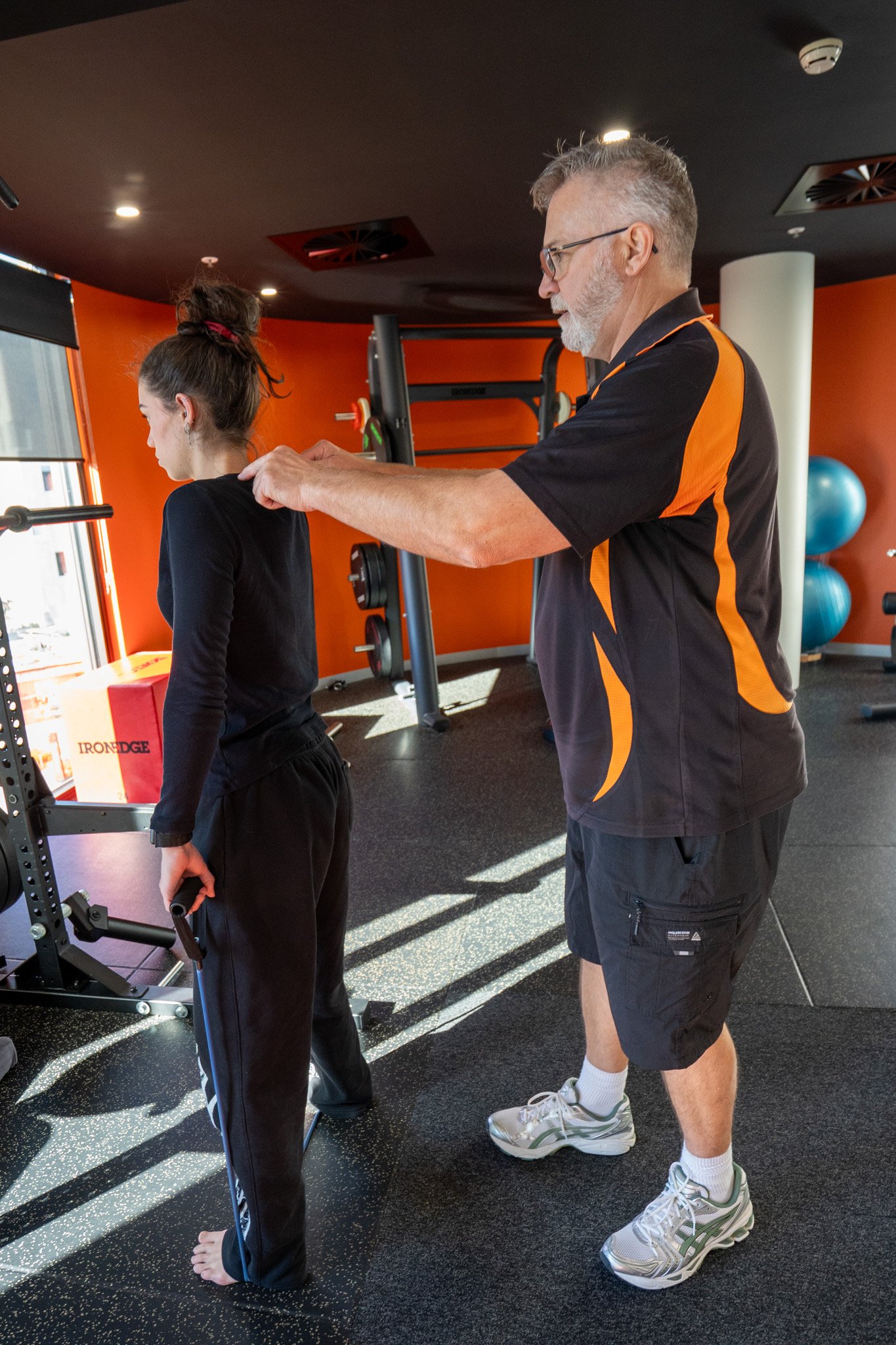
Rebuilding strength and endurance is an important part of recovery, helping to support injured areas and reduce the risk of future issues.

  • Assessment and planningYour current level of strength, control, and movement is assessed to determine the most appropriate starting point.
  • Activation and control exercisesEarly-stage exercises focus on re-engaging key muscles and improving control of movement patterns.
  • Bodyweight exercisesOnce control is established, bodyweight exercises are introduced to build foundational strength and stability.
  • Resistance training (e.g. Theraband exercises)Elastic resistance tools are used to gradually increase load and improve muscle strength in a controlled way.
  • Functional progressionExercises are progressed to more dynamic movements that reflect the demands of daily life, work, or sport.
  • Maintenance and preventionA tailored program may be provided to help maintain improvements and reduce the likelihood of re-injury.

The aim is to build strength gradually and safely, ensuring the body is well-supported for long-term recovery and performance.
Initial Assessment
Treatment Approach
Recovery
Strength and Endurance
Initial Assessment
Step 1

What to Expect in Your Assessment

Every massage appointment begins with a brief assessment to understand your current condition
and ensure your treatment is safe, effective, and tailored to your needs.

The process usually starts with a short discussion about your main concerns, including any pain,
tightness, or movement restrictions you may be experiencing. You may also be asked about your
general health, lifestyle, work demands, exercise habits, and any previous injuries or treatments.
This information helps identify possible contributing factors such as posture, muscle imbalance,
overuse, or stress-related tension.

Following this discussion, a physical assessment may be carried out if appropriate. This can include:

  • Observing posture
  • Testing range of movement
  • Gently palpating (feeling) muscles to identify areas of tightness, sensitivity, or dysfunction

Based on this assessment, a treatment plan is developed to address your specific needs. This may
focus on relieving pain, improving mobility, reducing muscle tension, and supporting recovery or
performance goals.

Your comfort is always a priority, and the assessment and treatment will be adjusted according to
your preferences and tolerance.

Step 2

Treatment Approach

Treatment involves targeted manual therapy techniques designed to address areas of pain, tightness,
and dysfunction within the muscles and soft tissues.

Using a combination of hands-on methods, treatment is focused on releasing tension, improving
circulation, and restoring normal movement patterns. This may include working into specific areas
of restriction identified during your assessment to help reduce pain and improve function.

Rehabilitation principles are also integrated where appropriate, supporting recovery and helping to
address the underlying causes of your condition. This may involve guidance around movement,
posture, and activity to reduce strain and prevent recurrence.

Each treatment is tailored to the individual, with the goal of improving mobility, reducing
discomfort, and supporting long-term physical wellbeing and performance.

Step 3

Recovery

Treatment involves targeted manual therapy techniques designed to address areas of pain, tightness,
and dysfunction within the muscles and soft tissues.

Using a combination of hands-on methods, treatment is focused on releasing tension, improving
circulation, and restoring normal movement patterns. This may include working into specific areas
of restriction identified during your assessment to help reduce pain and improve function.

Rehabilitation principles are also integrated where appropriate, supporting recovery and helping to
address the underlying causes of your condition. This may involve guidance around movement,
posture, and activity to reduce strain and prevent recurrence.

Each treatment is tailored to the individual, with the goal of improving mobility, reducing
discomfort, and supporting long-term physical wellbeing and performance. 

Pain Icon
Step 4

Regaining Range of Motion

Restoring normal movement is an important part of recovery, especially when pain, stiffness, or
injury has limited how freely your body moves. Treatment is focused on gradually improving
mobility in a safe and structured way.

The process typically involves:

  1. Identifying restrictions
    An assessment helps determine which muscles, joints, or movement patterns are limiting your range
    of motion.
  2. Reducing muscle tightness
    Targeted hands-on treatment is used to release tight or overactive muscles that may be restricting
    movement.
  3. Improving tissue flexibility
    Techniques are applied to help lengthen and restore normal function in muscles and surrounding
    soft tissue.
  4. Re-establishing movement patterns
    Gentle movement work may be introduced to retrain smoother, more efficient movement.
  5. Supporting active recovery
    You may be given simple exercises or strategies to maintain and build on improvements between
    treatments.

The goal is to restore comfortable, functional movement so you can return to daily activities, work,
or sport with greater ease and confidence.

Pain Icon
Step 5

Strength and Endurance Rehabilitation

Rebuilding strength and endurance is an important part of recovery, helping to support injured areas
and reduce the risk of future issues. A progressive approach is used to restore healthy movement,
stability, and functional capacity.

  1. Assessment and planning
    Your current level of strength, control, and movement is assessed to determine the most appropriate
    starting point for exercise-based rehabilitation.
  2. Activation and control exercises
    Early-stage exercises focus on re-engaging key muscles and improving control of movement
    patterns before adding load or resistance.
  3. Bodyweight exercises
    Once control is established, bodyweight exercises are introduced to build foundational strength,
    improve stability, and support natural movement.
  4. Resistance training (e.g. Theraband exercises)
    Elastic resistance tools such as Therabands are used to gradually increase load, improve muscle
    strength, and enhance endurance in a controlled and safe way.
  5. Functional progression
    Exercises are progressed to more dynamic and functional movements that reflect the demands of
    daily life, work, or sport.
  6. Maintenance and prevention
    A tailored program may be provided to help maintain improvements, support ongoing strength, and
    reduce the likelihood of re-injury.

The aim is to build strength gradually and safely, ensuring the body is well-supported for long-term
recovery and performance.
Results

Patient Outcomes

“Always feel better after a therapeutic massage – repeat sessions keep the body going strong. Thanks team.”

    Edna

    "Phil and Faye have treated me through years of rehab and pain management after injury. They have massively contributed to a full recovery."

      Deborah

      “Good to know we have such a great service here on campus.”

        Billy

        Staff member ANU

        Canberra Remedial Massage

        Conditions Treated

        Experience
        • Remedial Massage Therapist in Acton, Canberra ACT with 34 years’ experience
        • Extensive career treating staff, students and public at The Australian National University (ANU), Acton
        • Trusted Canberra remedial massage therapist for desk-based professionals and athletes
        • Conveniently located in the Canberra CBD / Acton precinct
        • Neck pain and stiffness
        • Upper back tension and shoulder tightness
        • Headaches related to neck and shoulder tension
        • Lower back stiffness and discomfort
        • Postural strain from prolonged sitting
        • Repetitive Strain Injury (RSI)
        • Arm, wrist, and forearm tension from computer use
        • Jaw, neck, and shoulder tension associated with stress

        Commonly treated in office workers, academics, and professionals working in and around the Canberra CBD and Acton.

        • Acute and chronic neck pain
        • Thoracic (upper back) tightness
        • Lumbar (lower back) pain and stiffness
        • Muscle spasms
        • Restricted movement and reduced flexibility
        • Postural imbalances
        • Muscle strains and tears
        • Tendon injuries (Achilles, patellar, rotator cuff)
        • Ligament sprains
        • Overuse injuries
        • Sports-related back, neck, and shoulder injuries
        • Delayed onset muscle soreness (DOMS)
        • Injury prevention and recovery support

        Supporting recreational and competitive athletes across Canberra ACT.

        Muscle & Soft Tissue Conditions
        • Tight or shortened muscles
        • Trigger points
        • Myofascial restrictions
        • Chronic muscle tension
        • Reduced flexibility and mobility
        • Muscle fatigue and overuse
        • Remedial Massage Canberra
        • Relaxation Massage
        • Deep Tissue Massage
        • Dry Needling Canberra ACT
        • Myofascial Release
        • Cupping Therapy
        • Stretching
        • PNF (Proprioceptive Neuromuscular Facilitation)
        • MET (Muscle Energy Techniques)
        • Individualised remedial massage treatments in Acton, Canberra
        • Combination of techniques tailored to each client
        • Focus on pain relief, improved movement, and functional outcomes
        • Support for workplace-related and sporting demands
        • Emphasis on long-term improvement and injury prevention
        • Treatments are tailored to individual needs and may vary from session to session. 

        Massage

        (Sports, Remedial, Relaxation, Dry Needling,
        Myofascial Cupping)

        Massage

        (Sports, Remedial, Relaxation, Dry Needling,
        Myofascial Cupping)

        We have HICAPS for participating health funds so you can claim at the time of your appointment.

        Get Started

        Start Your Recovery
        Today

        Take the first step towards lasting relief. Phil is ready to listen, assess, treat and help with your treatment plan.